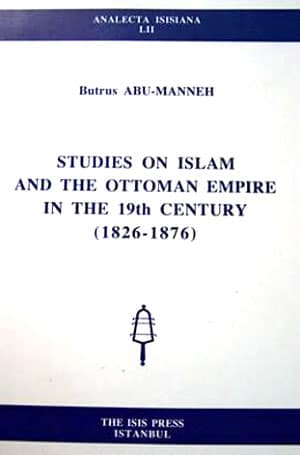
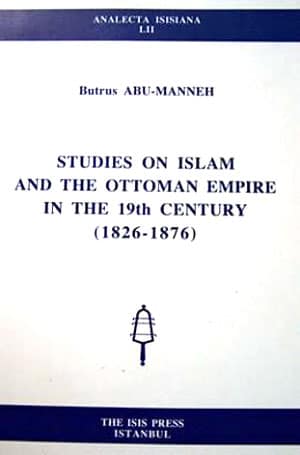
The rise of Sultan Selim III in 1789 marks the beginning of a period in the Ottoman history in which the tendency towards sunni-orthodox Islam strengthens together with the intention to bring regeneration into the Muslim community and restore power to the state. Along with that, Istanbul witnesses a rise in the number of sufi lodges, a movement of building new religious places and restoration and redecoration of old ones as well as an increase in the number of medresses and their students. This book focuses on an important section between 1826 and 1876 of this period to investigate the role of sunni-orthodox Islam in the 19th century climate of reformations in the Ottoman Empire. Islamic orders, Naqshbendi-Khalidi suborder in particular, important religious and political figures and important political events of the time are discussed in detail to present a picture of the era.
Analecta Isisiana LII
208 pp, pb,
Chapters:
- I. The rise and expansion of the Naqshbandi-Khalidi Suborder in the early 19th century.
- II. Khalwa and Rabita in the Khalidi Suborder.
- III. The Naqshbandiyya-Mujaddidiyya and the Khalidiyya in Istanbul in the early 19th century.
- IV. The Naqshbandi-Mujaddidi and the Bektashi Orders in 1826.
- V. The Islamic roots of the Gülhane Rescript.
- VI. The Naqshbandiyya-Mujaddidiyya in Istanbul in the early Tanzimat Period.
- VII. The roots of ascendancy of Ali and Fuad Pashaa at the Porte (1855-1871).
- VIII. The Porte and the Sunni-Orthodox Trend in the Later Tanzimat Period.
- IX. A note on the Ra¼ahat-i Ain al-Hayat in the 19th century.
- X. Shaykh Ahmed Ziyaüddin el-Gümüshanevi and the Ziyai-Khalidi suborder.
- XI. The sultan and the bureaucracy: the anti-Tanzimat concepts of grand vizier Mahmud Nedim Pasha. Conclusion: Islam and the State in the 19th century.
The rise of Sultan Selim III in 1789 marks the beginning of a period in the Ottoman history in which the tendency towards sunni-orthodox Islam strengthens together with the intention to bring regeneration into the Muslim community and restore power to the state. Along with that, Istanbul witnesses a rise in the number of sufi lodges, a movement of building new religious places and restoration and redecoration of old ones as well as an increase in the number of medresses and their students. This book focuses on an important section between 1826 and 1876 of this period to investigate the role of sunni-orthodox Islam in the 19th century climate of reformations in the Ottoman Empire. Islamic orders, Naqshbendi-Khalidi suborder in particular, important religious and political figures and important political events of the time are discussed in detail to present a picture of the era.
Analecta Isisiana LII
208 pp, pb,
Chapters:
- I. The rise and expansion of the Naqshbandi-Khalidi Suborder in the early 19th century.
- II. Khalwa and Rabita in the Khalidi Suborder.
- III. The Naqshbandiyya-Mujaddidiyya and the Khalidiyya in Istanbul in the early 19th century.
- IV. The Naqshbandi-Mujaddidi and the Bektashi Orders in 1826.
- V. The Islamic roots of the Gülhane Rescript.
- VI. The Naqshbandiyya-Mujaddidiyya in Istanbul in the early Tanzimat Period.
- VII. The roots of ascendancy of Ali and Fuad Pashaa at the Porte (1855-1871).
- VIII. The Porte and the Sunni-Orthodox Trend in the Later Tanzimat Period.
- IX. A note on the Ra¼ahat-i Ain al-Hayat in the 19th century.
- X. Shaykh Ahmed Ziyaüddin el-Gümüshanevi and the Ziyai-Khalidi suborder.
- XI. The sultan and the bureaucracy: the anti-Tanzimat concepts of grand vizier Mahmud Nedim Pasha. Conclusion: Islam and the State in the 19th century.